
Piano Tuning
Piano Tuning in Baltimore, MD
Every piano, whether it sits in a quiet living room or on a stage, depends on consistent piano tuning to sound the way it was built to sound. Bauer Piano Service provides professional piano tuning in Baltimore, MD, helping homeowners, musicians, schools, and churches keep their instruments performing at their best. Changes in humidity, temperature, and regular use all pull a piano's strings out of alignment over time, and routine piano tuning is the only way to correct that drift before it affects tone, pitch, and playability.
Schedule Your Piano Tuning in Baltimore, MD Today
Piano tuning is a precise process that involves adjusting the tension of each string so that the intervals between notes are accurate and consistent across the entire keyboard. A piano contains over 200 strings, each under significant tension, and even a slight shift in one string can throw off the harmony of the whole instrument. Bauer Piano Service approaches every piano tuning appointment with the technical skill and patience the work demands, using precision tools and a trained ear to bring pianos back into proper pitch.
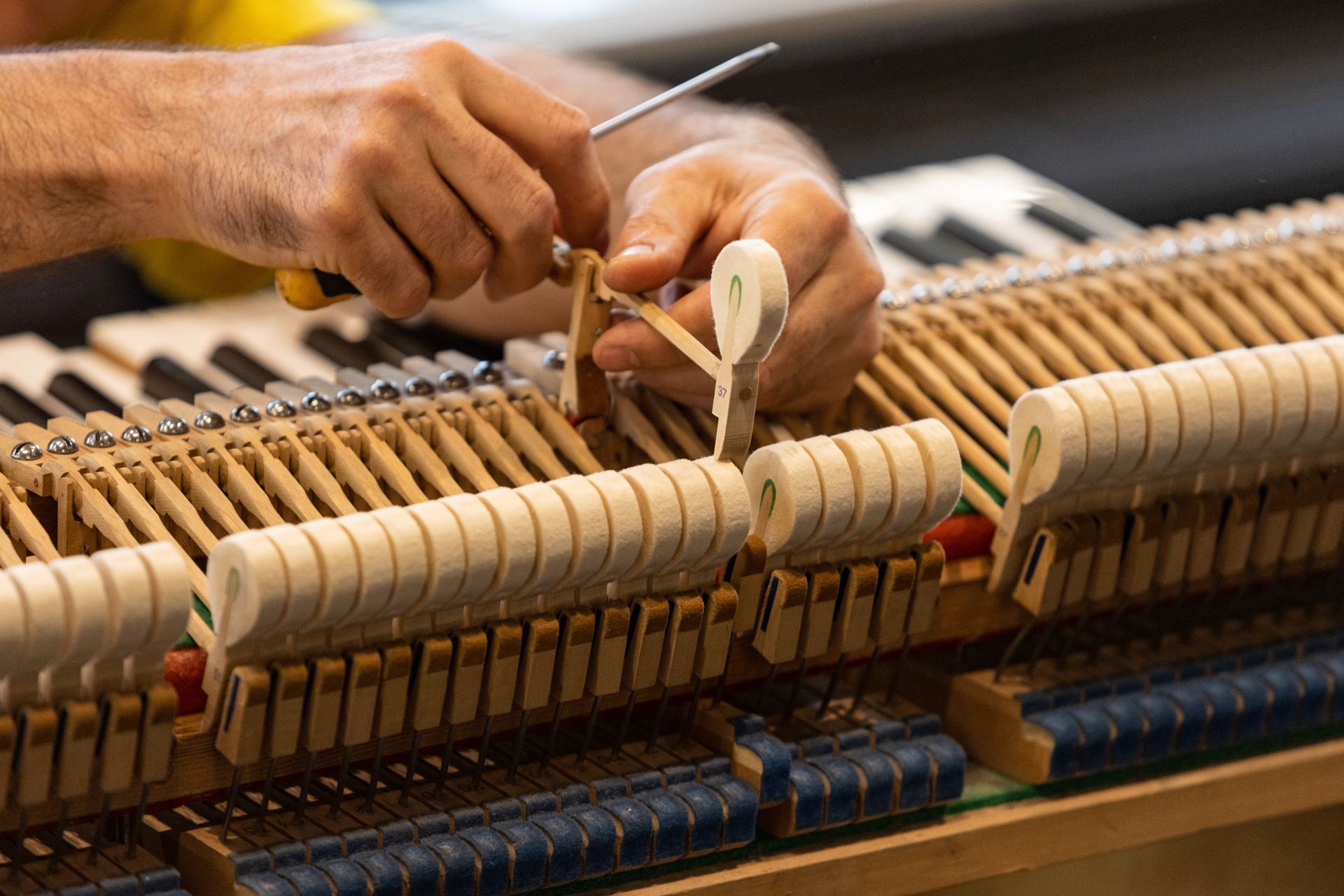
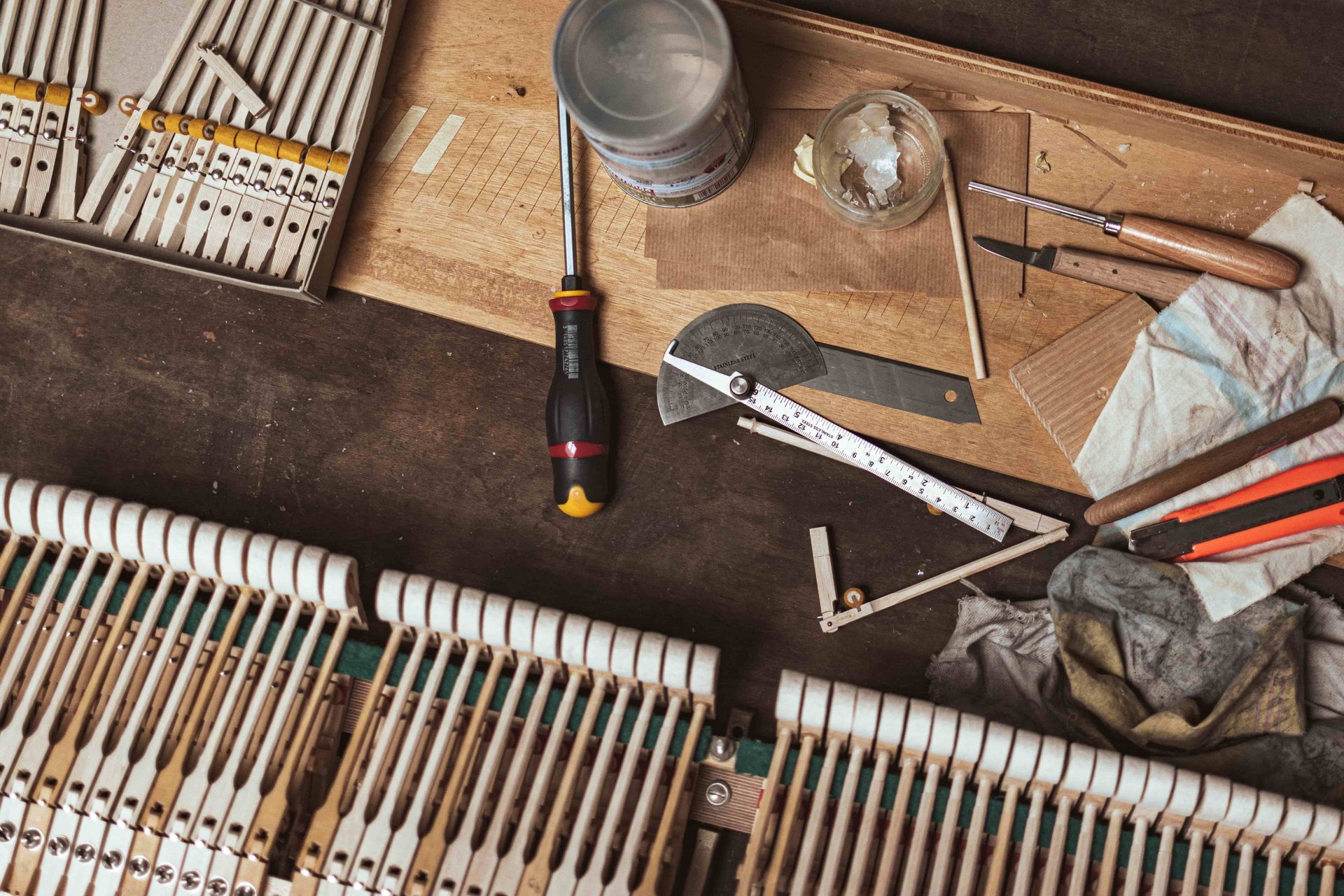
Why Piano Tuning Matters for Every Piano Owner
Pianos are built from wood, felt, and metal, all of which respond to changes in their environment. Baltimore's humid summers and dry winters cause the soundboard to expand and contract, which puts uneven pressure on the strings. Without regular piano tuning, this seasonal movement causes a piano to drift flat or develop inconsistent pitch between notes. A piano that goes too long without piano tuning can also become harder to correct, sometimes requiring multiple visits to stabilize the pitch. Consistent piano tuning protects the investment a piano represents and keeps it enjoyable to play.
Signs a Piano Needs Tuning
A piano that needs tuning often gives clear signals before the problem becomes obvious to an untrained ear.
Dissonant or "Off" Chords
Chords that once sounded rich and full begin to sound muddy or slightly clashing, even when the correct keys are played.
Difficulty Playing Along With Other Instruments
Difficulty Playing Along With Other Instruments
Visible Neglect
A piano that hasn't been serviced in over a year, has been moved recently, or was recently inherited is very likely due for piano tuning.
The Bauer Piano Service Piano Tuning Process
Piano tuning begins with a full assessment of the instrument's current pitch and condition. Bauer Piano Service checks the piano's overall stability, humidity exposure, and any mechanical issues that could affect the tuning before making adjustments. Each string is then tuned individually, working through the piano's full range to restore even, accurate pitch relationships between notes. For pianos that are significantly out of tune, the process may involve a pitch raise first, followed by a fine piano tuning pass to lock in stability.
Request a Piano Tuning Appointment With Bauer Piano Service
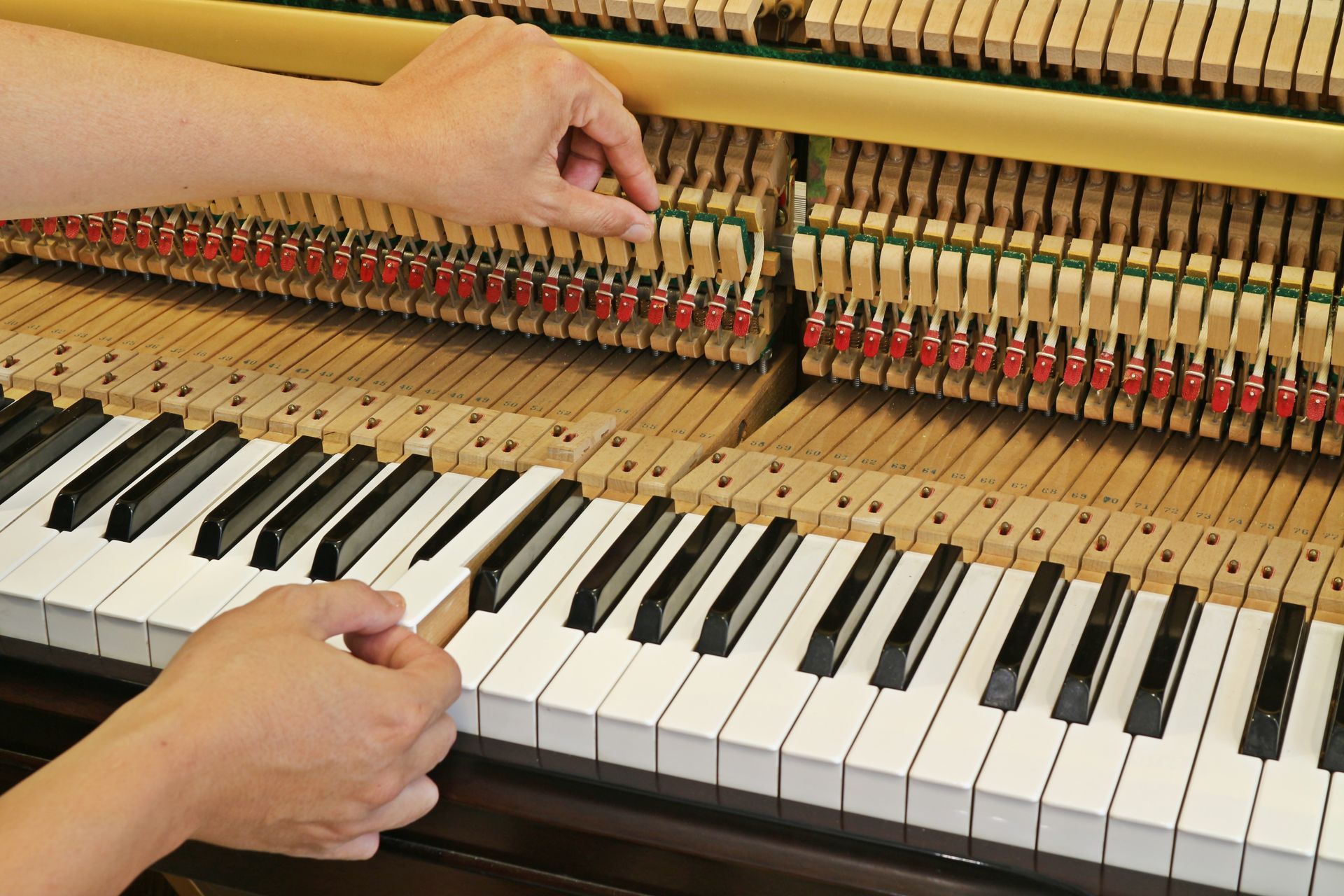

What Happens During a Standard Piano Tuning Visit
A typical piano tuning appointment includes a pitch check, string-by-string adjustment, and a final playthrough to confirm accuracy across the keyboard.
What Happens When a Piano Needs a Pitch Raise
When a piano is significantly flat, an initial pass brings the whole instrument closer to standard pitch before the detailed piano tuning work begins.
How Often Pianos Need Tuning
Most pianos benefit from piano tuning at least twice a year, though the right frequency depends on how often the piano is played, where it's located in the home, and how stable the surrounding humidity levels are. Pianos used for teaching, performance, or daily practice often need more frequent piano tuning to stay reliable for serious playing. Bauer Piano Service can help Baltimore-area piano owners set a piano tuning schedule that matches their instrument's specific needs and usage.
Piano Tuning for Homes, Studios, and Institutions Across the Baltimore Metro
Bauer Piano Service provides piano tuning for private homes, music studios, schools, and churches throughout Baltimore, Perry Hall, Towson, and the surrounding Baltimore Metro area. Each setting places different demands on a piano, and piano tuning needs can vary between a piano played casually at home and one used for daily lessons or performances. Bauer Piano Service adjusts its piano tuning approach to fit the piano's actual use, whether that means a single seasonal visit or a more frequent maintenance schedule.
Contact Bauer Piano Service for Piano Tuning in the Baltimore Metro Area

Frequently Asked Questions About Piano Tuning
How much does piano tuning cost?
Piano tuning cost depends on the piano's condition, how long it has been since its last tuning, and whether a pitch raise is needed. A well-maintained piano typically costs less to tune than one that has gone unserviced for years.
How long does a piano tuning appointment take?
A standard piano tuning appointment usually takes about one to two hours, though pianos requiring a pitch raise or additional adjustments may take longer.
How often should a piano be tuned?
Most pianos should be tuned at least twice a year to maintain stable pitch, though pianos in use daily or exposed to significant humidity changes may need more frequent tuning.
Can a new piano need tuning right away?
Yes. New pianos often need tuning within the first year as the strings settle and stretch, even if the piano sounded correct at the time of delivery.
Does moving a piano affect its tuning?
Yes. Moving a piano, even a short distance within the same room, can affect its pitch due to changes in temperature, humidity, or vibration during transport.
What happens if a piano is never tuned?
A piano that is never tuned will drift further out of pitch over time, and the strings can lose tension unevenly, making future tuning more difficult and sometimes requiring a pitch raise.
Is piano tuning different from piano repair?
Yes. Piano tuning adjusts the pitch of the strings, while piano repair addresses mechanical issues like broken hammers, sticking keys, or damaged parts.
Why does my piano go out of tune faster in certain rooms?
Rooms with direct sunlight, exterior walls, or inconsistent heating and cooling cause more humidity fluctuation, which pulls a piano out of tune more quickly than a stable interior room.
Can I tune a piano myself?
Piano tuning requires specialized tools and training to adjust string tension accurately without damaging the instrument, so it's not typically something owners can safely do themselves.
Does an upright piano need tuning as often as a grand piano?
Both upright and grand pianos need regular tuning, though grand pianos are sometimes tuned slightly more often due to their larger soundboard and more complex string layout.
What's included in a professional piano tuning service?
A professional piano tuning service typically includes a full pitch assessment, string-by-string tuning across the entire keyboard, and a final check to confirm accurate pitch and tone.