
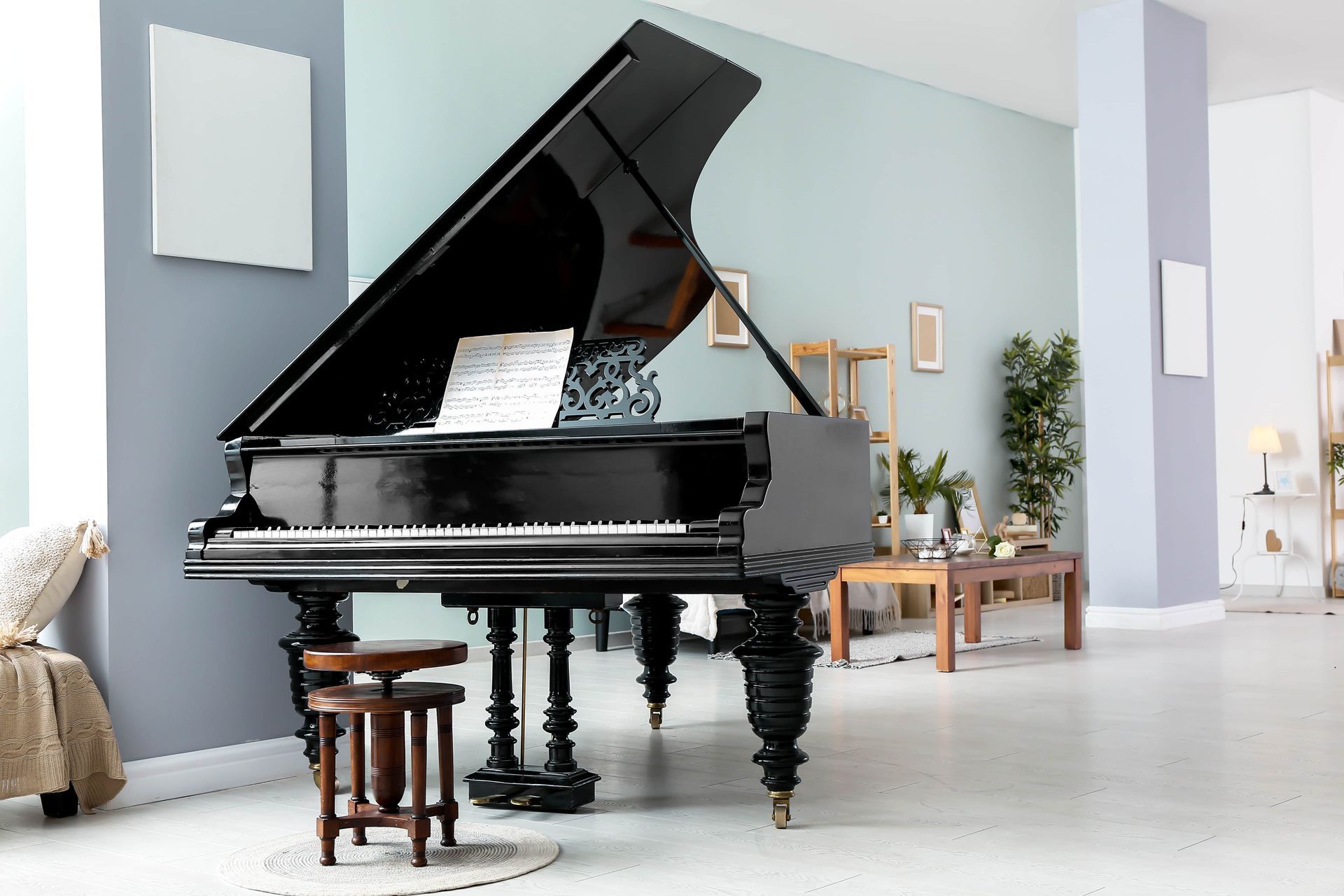

On a recent Thursday at Mickey’s Downtown Bistro, two men in business suits decided to put the “duel” in “dueling pianos.” They sipped wine and slapped $50 bills on the baby grand in a fierce bidding war to hear the better classic: “Edge of Seventeen” or “Landslide.” Within a half-hour, $500 materialized in front of pianists Alissa Musto and Leon Novembre at the dim, stage-lit Lauderdale-by-the-Sea spot, their faces bathed in bouncing circles of greens and blues. Novembre turned to Musto, eyebrows raised, and quipped into the microphone, “Hey, why not play both?” “People get a couple of drinks in them, you’d be amazed how picky they get with the music,” she says. “It’s all in good fun. This place is set up for crowd interaction.” After a decade without them, dueling piano bars are once again tickling the ivories in South Florida. Mickey’s Downtown Bistro — with dueling-piano shows from Thursdays through Sundays — is the first such bar in the tricounty area in nearly a decade, filling a void left by bygone haunts such as Howl at the Moon at Fort Lauderdale’s Beach Place and 88′s Dueling Pianos at Seminole Hard Rock Hollywood. Mickey’s debuted April 28, with a grand-opening party scheduled for Fourth of July weekend. Not far behind, dueling-piano chain Howl at the Moon is set to stage a Fort Lauderdale comeback in summer 2023. It will open downtown at 600 SE Second Court within a to-be-constructed, 5,000-square-foot venue behind Big City Tavern on Las Olas Boulevard, says Bradd O’Brien, president of Howl at the Moon. At Mickey’s, the Mediterranean-accented Italian steakhouse is the brainchild of chef-owner Mickey Josephs and his brother, Moti, two Israeli restaurateurs who ran a similar dueling-piano eatery in Hamden, Conn., until the pandemic killed that 15-year-old business. “It got to be too expensive there, what with the 25% occupancy and shutdowns,” explains Mickey Josephs, who scouted storefronts from St. Augustine to Sarasota before landing in Lauderdale-by-the-Sea. “But life went on in Florida, it was open. I realized we were in the wrong state.” The Pompano Beach resident and chef, who went to culinary school in Connecticut but learned Mediterranean cooking from his mother, says he wanted his cuisine to represent a better class of dueling-piano bar. He also dropped about $200,000 for state-of-the-art sound equipment, including stage lighting and wall insulation. Because dueling piano shows get loud, soundproofing the bar from the rest of the neighborhood —including residential neighbors in the apartments above Mickey’s — was key. “There’s 6 inches of insulation above the ceilings,” he says of the room’s acoustics. “They haven’t complained to us yet.” The electricity of a dueling-piano show, of course, is fueled by tips and alcohol. Customers jot down first and second song choices on paper slips and leave them on the piano. If someone tips $5 for Elton John but a Neil Diamond fan slips $10 to the pianist, then “Piano Man” is out and “Sweet Caroline” is in. (That is, until it’s overridden by a $20 plea for Three Dog Night barnstormer “Joy to the World.”) Dueling-piano shows have evolved in recent years, says Brad Alexander, founder of the Flying Ivories, a New York-based network of dueling pianists. (Mickey’s exclusively uses Flying Ivories musicians.) Shows have softened the bawdy sex jokes, onstage comedy bits and misogynistic humor that used to dominate the genre, he says — a sign of growing sensitivity after the #MeToo era. “Some of that bawdy humor doesn’t fly with today’s audiences,” says Alexander, who began playing dueling-piano shows in New York in 2001. “But depending on the night, maybe you’ll get dirty lyric parodies of Disney songs. Our musicians not only have to memorize thousands of songs but know how to work an audience.” When Howl at the Moon debuts next year in Fort Lauderdale, the format will be different from that of Mickey’s, O’Brien says. Howl at the Moon will take fewer song requests, he says, relying more on a preprogrammed setlist backed by a full band: two pianists, a drummer, a bassist and two guitarists. “Our concept now is based around all music from all decades, from rap to hip-hop to metal to the classics,” O’Brien says. “There’s no bits, no joking vulgar humor list we did in the past. Las Olas needs quality nightlife energy and we’re the ones to bring it.” Original article: https://apnews.com/article/entertainment-florida-music-2898cc650e72c5af84d19f4484c74a83
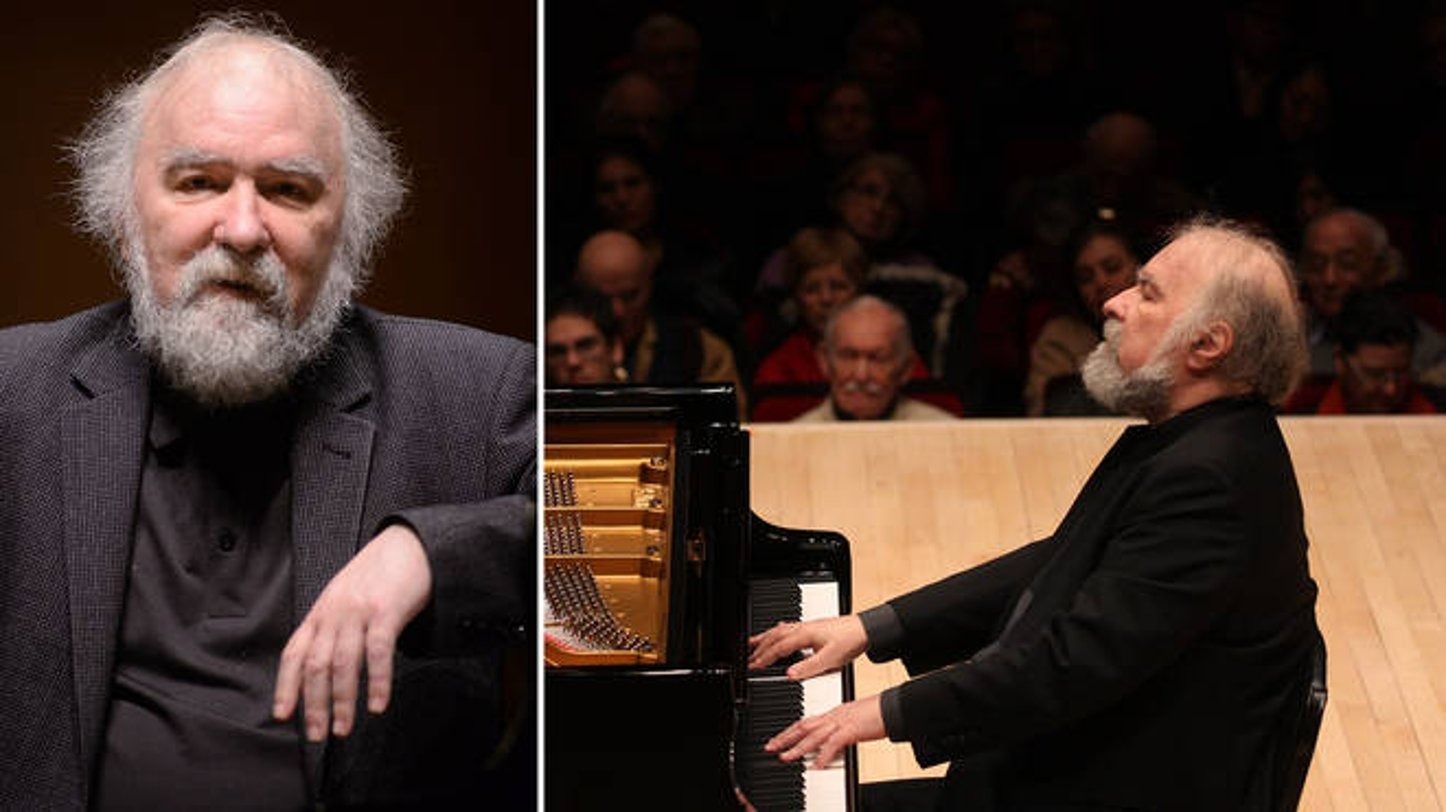
The celebrated piano player died at his home in Switzerland. Considered far and wide one of the greatest piano players of his generation, Romanian pianist Radu Lupu has died aged 76. The news of his death was announced by the George Enescu International Festival and later confirmed by his manager, Jenny Vogel, who told NPR that Lupu had died “peacefully at his home in Switzerland from multiple prolonged illnesses”. Born in Galați, Romania in 1945, Radu Lupu began learning to play the piano from the age of six, and made his concert debut aged 12, where he performed a composition of his own. Lupu was an avid composer from a young age, revealing in an interview in 1970 that he considered himself first and foremost a composer, before turning his focus to performance just four years later. Lupu studied piano at the Bucharest Conservatory and secured a scholarship to the Moscow Conservatory in 1961, where he continued his studies for seven years. After winning first place at the Van Cliburn, George Enescu, and Leeds International Piano Competitions in his early 20s, Lupu’s six-decade career was launched on an astronomical trajectory which saw him perform with all of the world’s major orchestras and at all the major festivals. Lupu also recorded much of the world’s favourite piano repertoire to great critical acclaim, with two Grammy Award nominations and one win in 1996. Despite such success, Lupu ended his recording career in the mid-1990s and shied away from the public eye, declining to make any press appearances and withholding his recordings from on-air broadcast. After several years of cancelled performances due to ill health, Radu Lupu announced that he would be retiring from the stage in 2019. His final concert appearance in London took place in February that year, where he performed Beethoven’s Piano Concerto No. 4 with the Philharmonia Orchestra under Paavo Järvi. Radu Lupu praised fellow pianists Arthur Rubinstein, Vladimir Horowitz, and Mieczysław Horszowski, holding them in high regard as inspirations for his own playing. Lupu himself is idolised by many of today’s eminent musicians, with tributes to the late musician pouring in on social media from Víkingur Ólafsson, Esa-Pekka Salonen, Alexandra Dariescu, Igor Levit, Lars Vogt and more. Original article: https://www.classicfm.com/music-news/pianist-radu-lupu-dies-aged-76/
The average piano has 220 strings. Each string has a different pitch and frequency and must be tuned to the other strings on the piano. These strings determine the sound quality of your piano, so caring for them properly is essential. Over time these strings can stretch due to tension, which causes the piano to go out of tune. Pianos are easier to tune, stay in better condition, and maintain their value more easily when they are tuned regularly. Regular tuning also prevents damage that can occur when someone plays overstretched strings. If a piano hasn’t been tuned for a while, it will be more expensive and time consuming to get the piano back into tune. If a piano hasn’t been tuned in a long time, a piano tuner might try to bring the piano back in tune by raising the pitch of the piano. This involves pulling all the strings tight, which makes the pitch sharp. This overcompensation will hopefully cause the piano to be in tune when the strings naturally stretch over time, causing the pitch to go flat. If you need to raise the pitch on your piano, it is important to have follow-up tunings since extra tension is added to the strings. To make the strings on your piano last as long as possible, you should have the piano checked every six months to a year. If the strings deteriorate too much, or if the strings are out of tune and not actively used, then the piano may have to be restrung, which can sometimes cost as much as buying a new piano. The cost of a tune-up can range from $100 to $200, but in the long run, it takes less money to tune a piano every six months than it does to fix a piano that hasn’t been tuned for several years. If you have a new piano, you should tune it four times during the first year, because the new strings will stretch more and go out of tune faster. If you tune your piano regularly in the early years of ownership, your piano will be more likely to stay in tune for longer periods of time and during the later years of its life. It is important for those learning to play the piano to have an instrument that is in tune so they can correctly learn the pitches. If a piano player learns to play with incorrect pitches, it will hinder his or her ability to play a tuned piano, because the pitch will sound off to them. Regular piano tuning can give those who are learning to play the piano a boost of confidence, because it’s exciting to play a piano that is in tune and sounds good. Having an in-tune piano helps kids stick with the piano and enjoy learning to play it. It’s hard to be motivated to learn to play the piano when you don’t know if you are making a mistake or if the piano is just out of tune. If you properly care for your instrument, it will bless your life for years to come. Original article: https://www.deseretindustries.org/blog/why-its-important-to-tune-your-piano
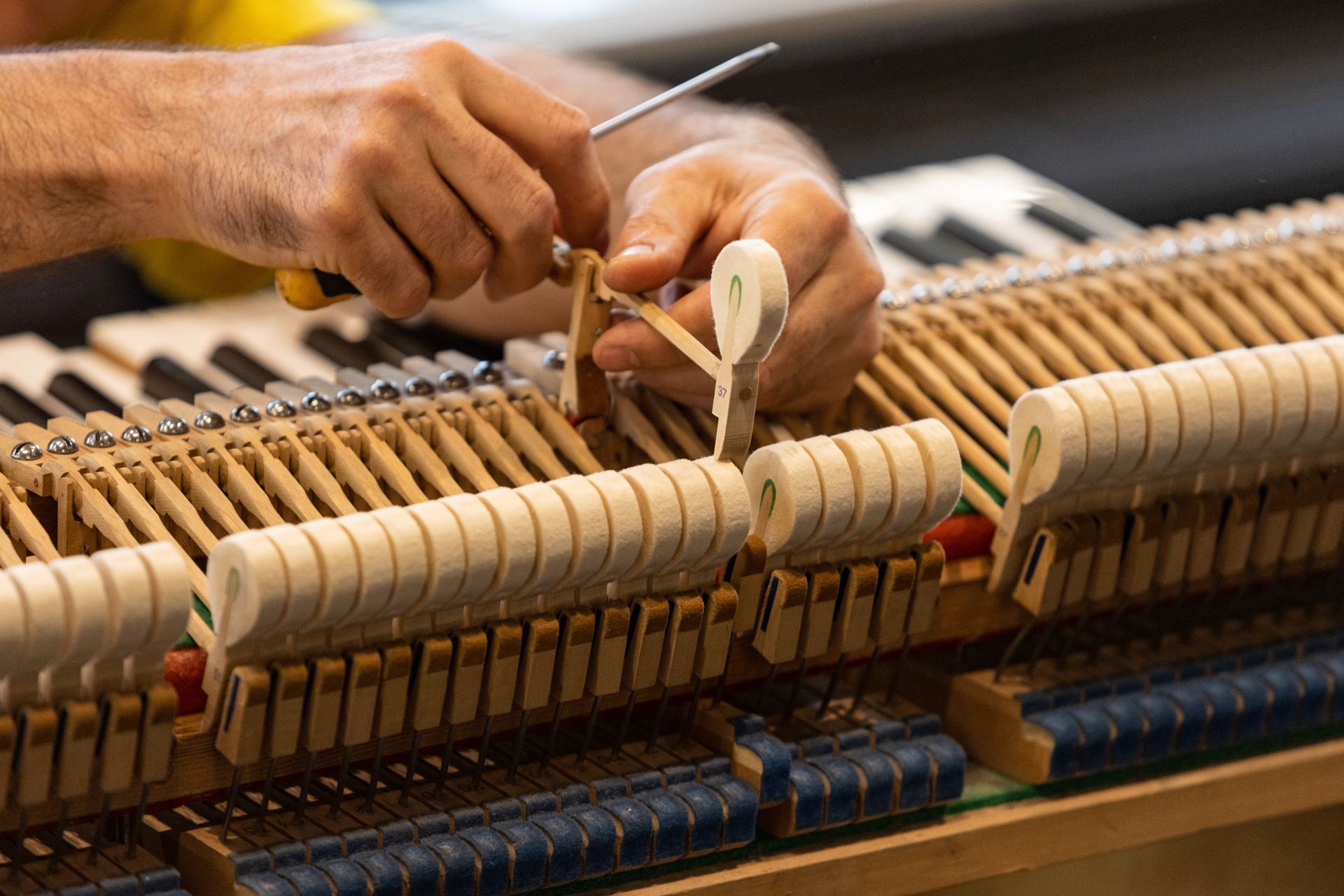
A piano is a stringed musical instrument that produces sound when its strings are struck by hammers. The strings, which are made of steel or other metals, are stretched tightly across a wooden frame called the soundboard. The strings are tuned to specific pitches by adjusting the tension on them. The piano has a keyboard that consists of white and black keys. The white keys are the natural notes and the black keys are the sharps and flats. When a key is pressed, a hammer strikes the corresponding string, causing it to vibrate and produce sound. The hammer is then lifted off the string by a felt damper, stopping the sound. A piano is tuned by adjusting the tension on the strings, which changes the pitch of the notes. This is done by turning the tuning pins, which are located at the back of the piano. The pins are tightened or loosened to increase or decrease the tension on the strings. The process of tuning a piano is called "pitch raising" or "pitch lowering" and it can be done with a tuning hammer or a tuning lever. The process of tuning a piano is a delicate and precise task, it takes a skilled and experienced piano tuner to accomplish it. Piano tuning is an art that requires a good ear and a deep understanding of the instrument. It's usually recommended that pianos should be tuned at least once a year, but depending on the environment and usage, more frequent tuning may be necessary. Regular tuning is essential for optimal performance, sound quality, and longevity of your piano. It can also help to improve your playing experience and maintain the value of your investment. Trusting your piano to an experienced professional like Bauer Piano Service will give you peace of mind knowing that your piano is in good hands. Here are a few reasons why it's important to keep your piano tuned regularly: 1. Sound Quality: A piano that is out of tune will not produce the rich, full sound that it is capable of. Regular tuning will ensure that your piano sounds its best and provides a pleasant listening experience for both the performer and the audience. 2. Pitch Stability: As a piano is played, the tension on the strings changes, causing the pitch to drift out of tune. Regular tuning helps to maintain the piano's pitch stability, so that it stays in tune for longer periods of time. 3.Action Regulation: A piano's action, or the mechanism that transfers the player's finger movements to the hammers that strike the strings, can become worn or misaligned over time. Tuning also includes action regulation to make sure the piano plays smoothly and efficiently. 4. Humidity and Temperature Changes: Pianos are sensitive to changes in humidity and temperature, which can cause the wood to expand and contract, affecting the tension on the strings. Regular tuning can help to mitigate the effects of these changes and keep the piano in good condition. 5. Maintenance: Regular tuning is a form of maintenance that can help to prolong the life of your piano. It can help to identify and address any potential issues before they become major problems. 6. Investment: A piano is a significant investment, and regular tuning helps to maintain its value. A well-maintained piano will hold its value better than one that has been neglected. 7. Playing Experience: Playing an out of tune piano can be frustrating and disheartening for a musician. Keeping your piano in tune will make it more enjoyable to play, and can help to improve your performance. 8. Consistency: If you are using your piano for performance or recording, consistency is key. Keeping your piano in tune ensures that your music will sound the same every time you play it. It is important to choose a reputable and experienced piano tuner to ensure that your piano is properly tuned and maintained. A poorly tuned piano can not only affect the sound quality and performance, but it can also cause damage to the instrument over time. A professional piano tuner has the knowledge and skills to properly tune and maintain your piano, and can also identify and address any potential issues before they become major problems. Bauer Piano Service is a reputable and experienced piano tuning and repair service in Baltimore with 29 years of experience. They have the expertise to tune and repair pianos to the highest standards, ensuring that your piano will sound its best and last for many years to come. Trusting your piano to an experienced professional like Bauer Piano Service will give you peace of mind knowing that your piano is in good hands. It's obvious that regular piano tuning is essential for optimal performance, sound quality, and longevity of your piano. It can also help to improve your playing experience and maintain the value of your investment. It's recommended that pianos should be tuned at least once a year, but depending on the environment and usage, more frequent tuning may be necessary. Always trust a professional piano tuner to do the job.